Where Ideas Take Shape
3D modelling, CAD and 3D printing for ages 7–16 — designs leave the screen and become an object your child printed and can hold.
Six campuses in Singapore.
- Ages 7–16One Structured Pathway
- Est. 2022Singapore’s Leading STEAM Academy
- 10,000+Students Taught
- 10+Competitions Entered
Mastering the Art of 3D Design
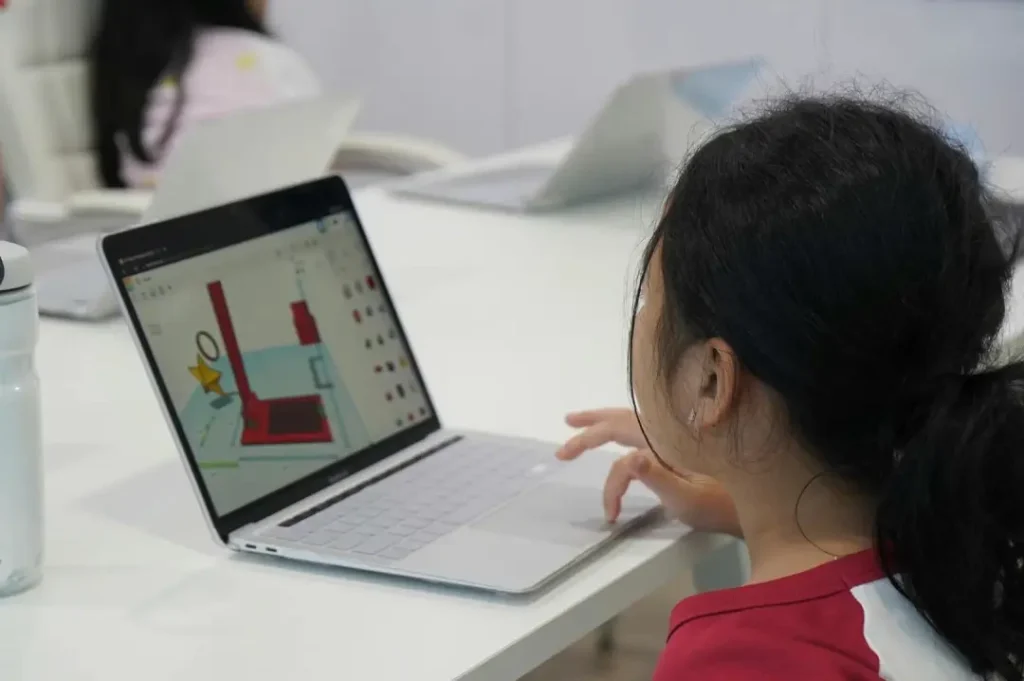
3D Modelling Foundations
Thinking in three dimensions: form, proportion and space — the visual grammar every designer builds on.
Design Thinking
From observing a problem to sketching, prototyping and iterating — creativity with a professional process behind it.
CAD & Parametric Design
Industry-grade tools for precise, editable models — the language of product design and engineering.
From Screen to Print
Turning digital models into physical objects: 3D printing workflows, materials and real fabrication constraints.
Portfolio Projects
Original products, characters and inventions — a growing body of work that shows how far each student has come.
Exhibition & Competition
Design competitions and showcases that put student work in front of real audiences and judges.
How an Idea Becomes an Object
Not digital art — the full designer’s process from concept to physical thing.
Sketch & Ideate
Every object begins as a question: who is it for, what must it do? Design thinking before design software.
Model in CAD
Ideas become precise, three-dimensional and editable — professional modelling practices, scaled by age.
Prototype & Print
The file becomes a thing. Printing exposes every design flaw — walls too thin, joints too tight — and that is the lesson.
Present & Refine
Designers defend their choices, gather feedback and iterate — because the second version is always better.
What Leaves the Print Bed
Three prints filmed up close — a kit that clicks together, joints that move straight off the bed, and an object that earns its place at home. This is the making the course builds toward.
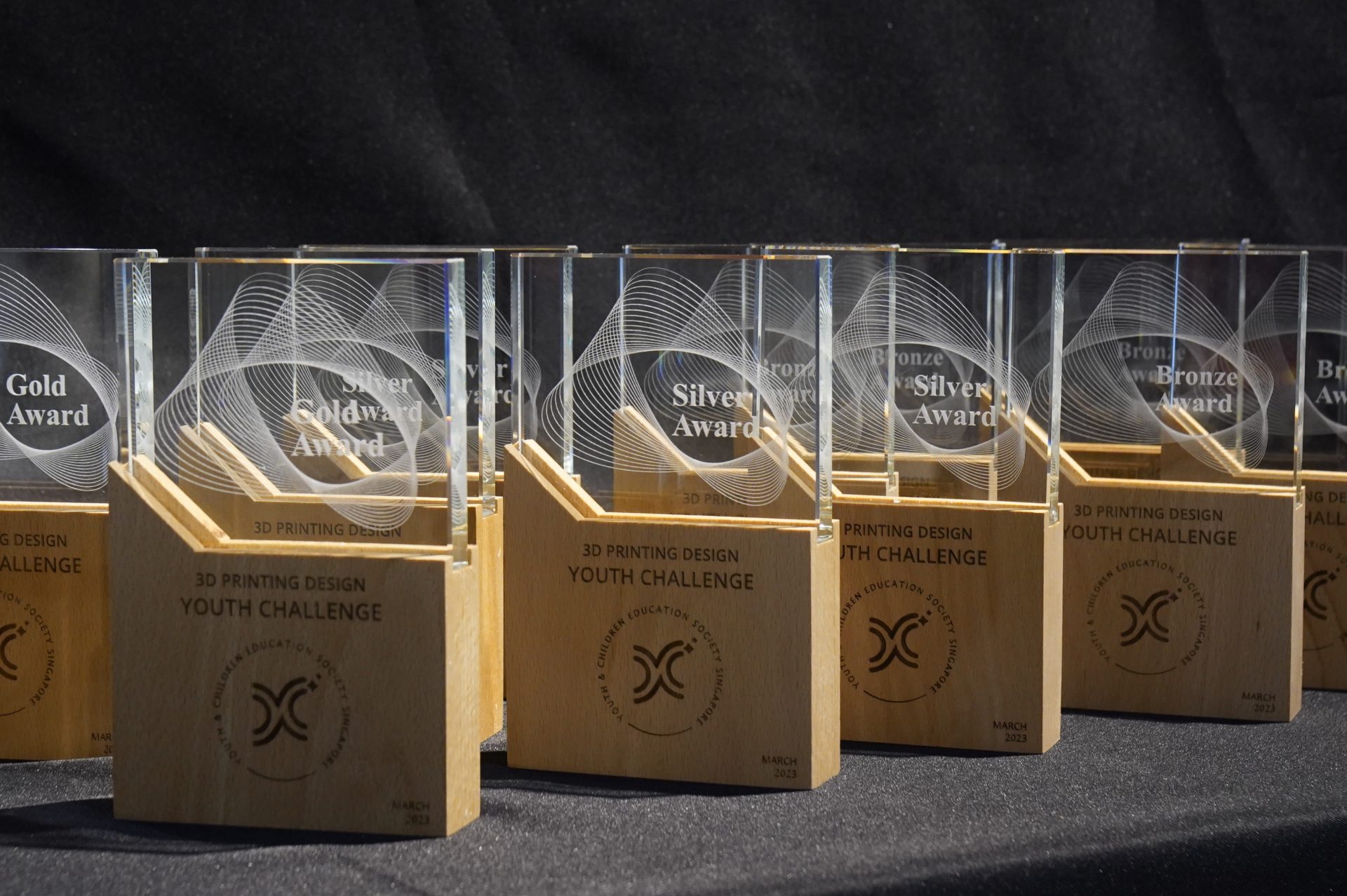
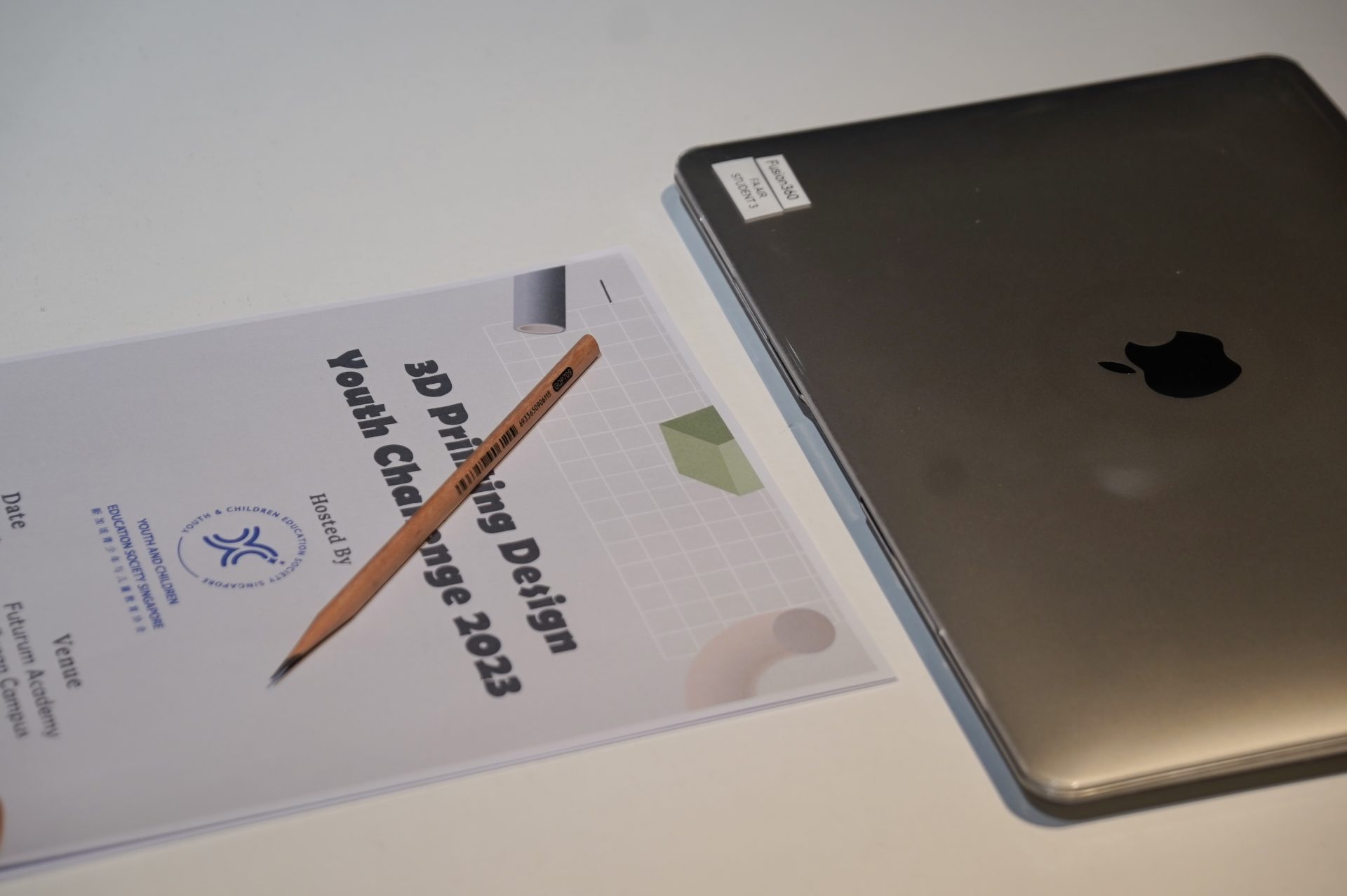
Design Work, Judged for Real
From our 3D Design Competition 2023 — original student designs entered, presented and awarded.

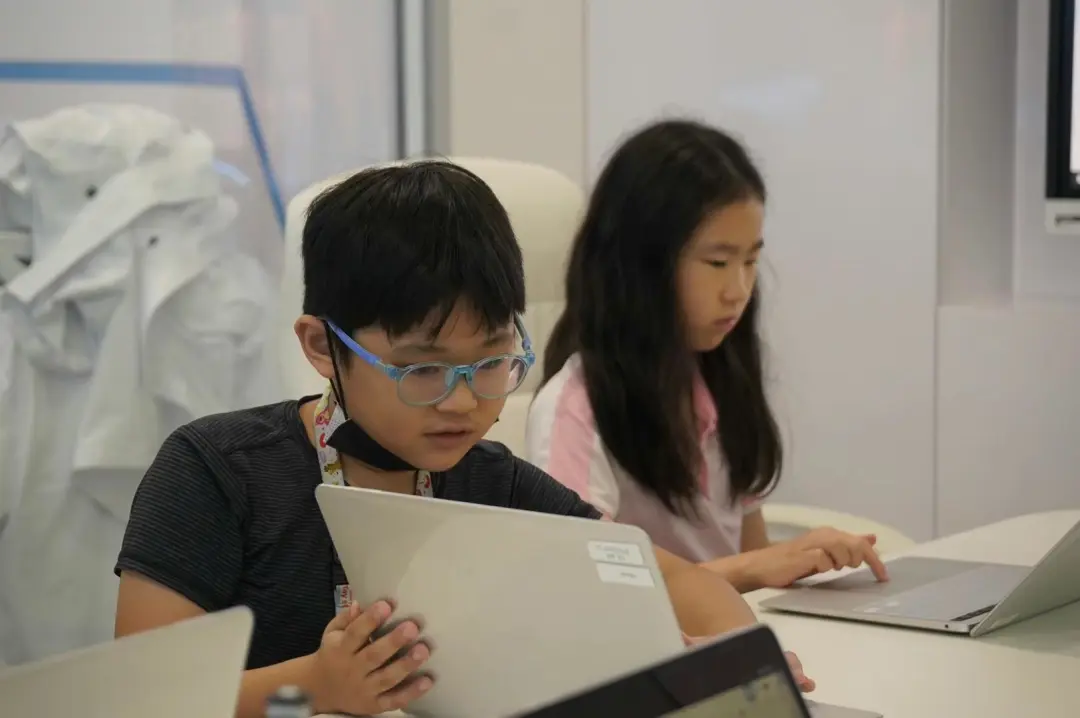
Ninety Minutes, Start to Finish
The Design Brief
A real design problem is set — an object with a user, a purpose and constraints.
Model & Iterate
Ideas become 3D models: sketching, modelling and refining with the coach reviewing form and function.
Critique
Designers present drafts and hear structured feedback — the habit every creative professional lives by.
Prepare to Print
Finished models are checked for real-world fabrication: scale, supports, materials.
A Structured Path at Every Age
One structured, level-by-level pathway — from first sketches to advanced fabrication, each stage building real design capability.
Imaginers
First 3D worlds — playful modelling that turns drawings and ideas into objects you can spin, scale and print.
Designers
Design thinking plus real CAD foundations: precision, constraints and projects with an actual user in mind.
Innovators
Parametric workflows, product design challenges and fabrication — the bridge from hobby to craft.
Portfolio Track
Portfolio work with the depth universities and design schools expect, ready for DSA.
The fastest way to decide is to sit in on a real lesson — the first one is free.
When A.I. Can Generate Anything, Taste and Judgement Become the Skill
Generative tools can produce a thousand designs in a minute. Deciding which one is right — for a user, a purpose, a constraint — is a human skill, and it is trainable.
3D design sits exactly at that intersection: creativity disciplined by engineering. Students learn that beauty and function are not enemies, and that the best ideas survive contact with a 3D printer.
Spatial thinking, prototyping discipline and presentation craft — the skills of designers, architects and engineers — built from age seven.
See Our Competition RecordThree Kinds of Students
One Programme
Full of Ideas That Want to Exist
Sketches become models become printed objects — the deep satisfaction of holding something you designed.
Ready to Be Judged
Enters design and innovation challenges where original work is presented, defended and ranked.
Creating Evidence of Creativity
A growing body of documented, original work — the maker portfolio that strengthens DSA and school applications.
Common Questions
What age is 3D Design suitable for?
The track runs from age 7 to 16, starting with playful 3D modelling and progressing to industry-grade CAD, parametric design and fabrication.
Does my child need to be good at drawing?
No. 3D design is about ideas, observation and iteration — the tools handle the geometry. Many of our strongest designers started with zero drawing background.
Will my child get to 3D print their work?
Yes — turning digital models into physical objects is a core part of the curriculum, including materials, print preparation and real fabrication constraints.
How does 3D Design connect to future studies?
3D design skills feed directly into product design, engineering, architecture and digital media pathways, and portfolio-track students graduate with a body of original work for DSA and school applications.
How do I book a free trial class?
Book through the free trial page on this site, or WhatsApp us at +65 8039 8777 and we will arrange a session at your preferred campus.
Still deciding? Sit in on a free trial or find your nearest campus.
Come and See One Lesson
Experience a real class and get a personalised recommendation for your child. No pressure. No obligation.
“The teachers are professional and patient, my child is highly motivated in class, and has made significant progress.”