Think Beyond the Code
Block coding, real programming languages and applied A.I. for ages 7–16 — taught hands-on, in small groups, in Singapore.
Six campuses in Singapore.
- Ages 7–16One Structured Pathway
- Est. 2022Singapore’s Leading STEAM Academy
- 10,000+Students Taught
- 10+Competitions Entered
What Your Child Will Learn
Computational Thinking
Logic, decomposition and pattern recognition — the thinking skills behind every line of code, taught before the code itself.
Block Coding Foundations
Visual programming that turns ideas into working projects from the very first lesson — no typing speed required.
Text-Based Programming
The transition to real syntax: writing, reading and debugging programs the way professional developers do.
Applied A.I.
How machines learn — hands-on projects that put A.I. concepts to work on problems students actually care about.
Creative Projects
Games, apps and interactive stories — every stage of the journey ends with something your child built themselves.
Competition Pathways
Structured preparation for coding challenges and olympiad-track competitions for students who want to go further.
How a Young Coder’s Project Comes Together
Every project follows the same professional arc — the habit of building, not just solving exercises.
Decompose the Problem
Break a big, messy challenge into small solvable pieces — computational thinking before a single line of code.
Design the Logic
Flowcharts and pseudo-code first: decide what the program should do before deciding how to type it.
Code, Test, Debug
Write it, run it, watch it break, fix it — debugging is where real understanding is built.
Ship & Demo
Every project ends with something running — demoed to the class, explained out loud, and saved to the portfolio.
Ninety Minutes, Start to Finish
The Challenge
A quick recap, then today’s problem is set — something real to figure out, not a worksheet to copy.
Build & Code
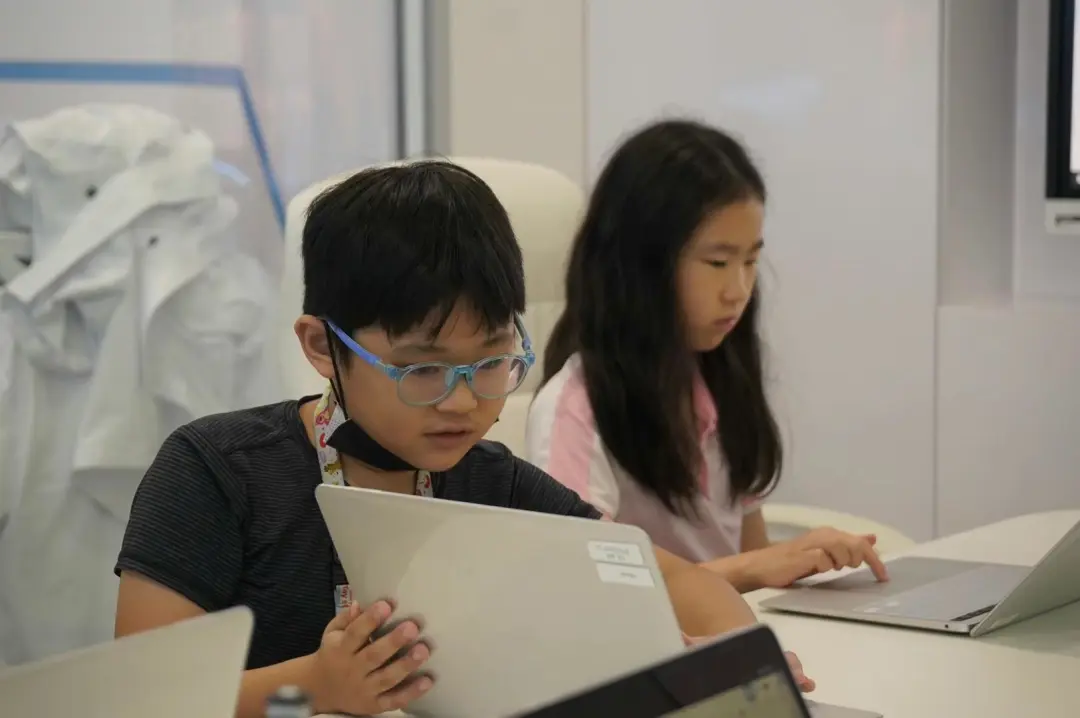
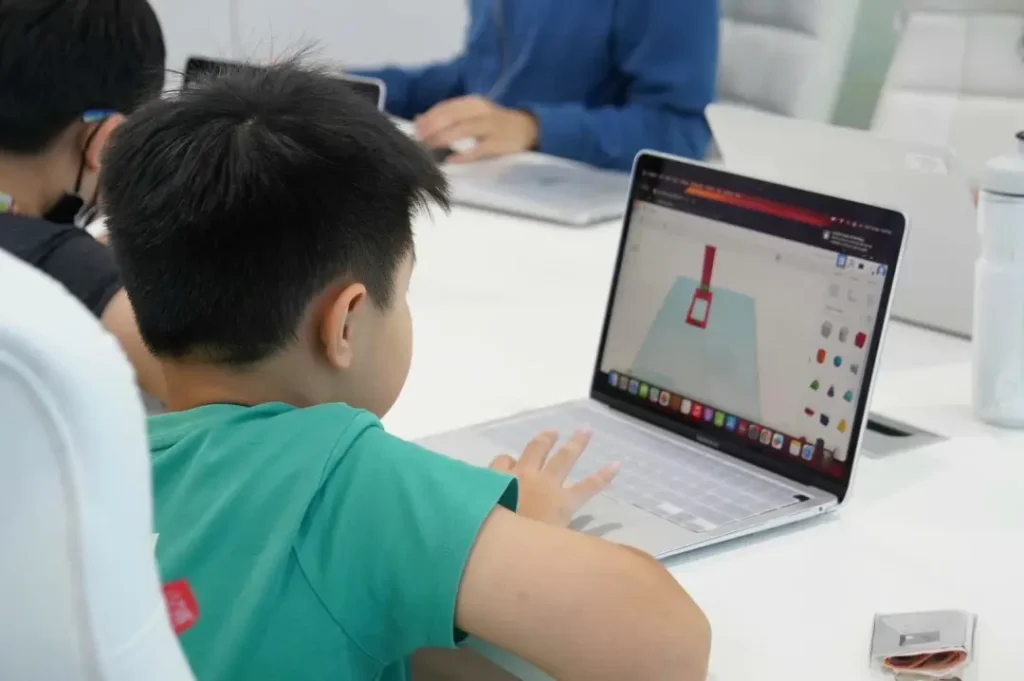
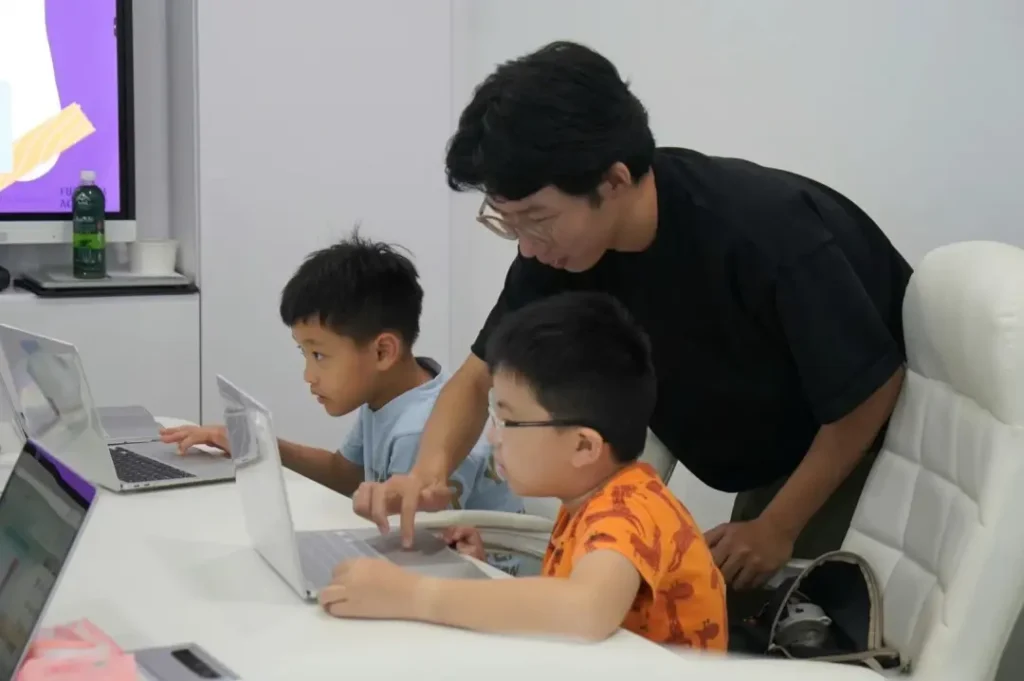
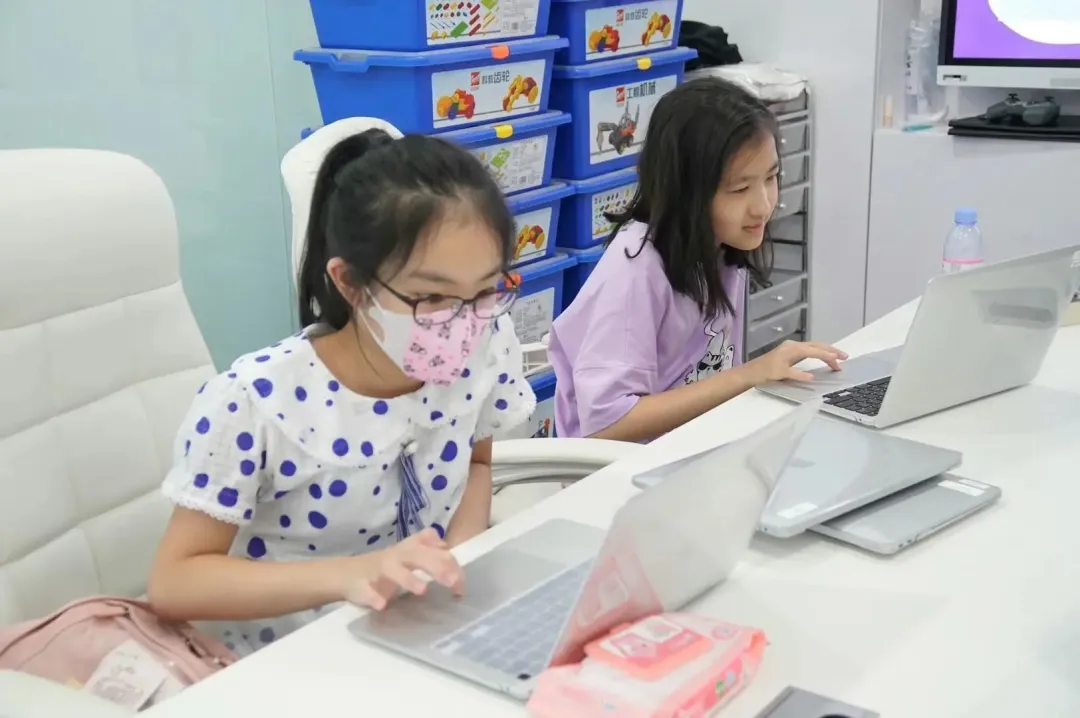
The core of the lesson: hands-on coding in small groups, with the coach guiding — not typing for them.
Test & Debug
Programs meet reality. Finding and fixing your own bugs is where computational thinking is actually built.
Show & Tell
Every child demos what they made, explains one decision, and hears what to try next week.
A Structured Path at Every Age
One structured, level-by-level pathway — each stage builds on verified skills from the last, so students always work at the edge of their ability, never out of their depth.
Foundations
Playful logic and block coding — building the habit of thinking in steps while making things move on screen.
Builders
Bigger projects, first text-based code, and the jump from following instructions to designing solutions.
Creators
Real programming languages, applied A.I. concepts and portfolio projects with genuine complexity.
Specialists
Advanced tracks for students targeting competitions, DSA portfolios and university-level readiness.
The fastest way to decide is to sit in on a real lesson — the first one is free.
In the A.I. Era, Coding Is More Than Literacy — It Is Leverage
A.I. tools can write code — which is exactly why understanding code matters more, not less. The students who thrive are the ones who can judge, direct and debug what machines produce: the thinkers, not the typists.
That is what computational thinking trains — decomposition, pattern recognition, abstraction and algorithmic logic. It is the closest thing modern education has to a universal problem-solving skill, and it transfers to mathematics, science and everyday reasoning.
Our students don’t learn to use A.I. as a shortcut. They learn to build with it — from block coding at seven to training real models in their teens.
Three Kinds of Students
One Programme
Curious About How Things Work
Starts with playful block coding and game projects — logic becomes a favourite toy, and screens switch from consuming to creating.
Ready to Race the Clock
Moves onto the olympiad track: algorithms, data structures and timed problem-solving with students who love the challenge.
See the Competition RecordBuilding a Portfolio That Opens Doors
Projects, results and documentation accumulate into a verified portfolio — evidence secondary-school panels can act on.
“This is an excellent platform for learning to code. My child truly enjoys the experience!”
Common Questions
What age can my child start A.I. Coding?
The A.I. Coding track is structured for ages 7 to 16, with entry points at every stage. Younger children (from age 4) usually begin with our hands-on robotics foundation classes and transition into coding when ready.
Does my child need any coding experience to join?
No. Every student starts with a placement conversation and joins at the right level — complete beginners start from block-based foundations, while experienced coders are placed into text-based or applied A.I. stages.
What will my child actually build?
Working projects at every stage: games, apps, interactive stories and applied A.I. experiments. The curriculum is project-based, so progress is always something you can see and try.
Where and when are classes held?
Six campuses across Singapore — Orchard, City Hall, Novena, Serangoon, Pasir Ris and Bishan — on Tuesday to Friday afternoons and throughout weekends.
How do I book a free trial class?
Book through the free trial page on this site, or WhatsApp us at +65 8039 8777 and we will arrange a session at your preferred campus.
Still deciding? Sit in on a free trial or find your nearest campus.
Come and See One Lesson
Experience a real class and get a personalised recommendation for your child. No pressure. No obligation.
“The teachers are professional and patient, my child is highly motivated in class, and has made significant progress.”